


Urologic Oncology

Prostate and kidney cancers account for nearly two million new diagnoses globally each year, yet patients often face diagnostic uncertainty and limited options as disease progresses.

We are addressing this need with targeted radiopharmaceuticals designed to accurately detect, stage, and treat cancer — delivering precision at every stage of disease.

Urologic oncology by the numbers


Prostate Cancer

1.4 million

1.4 million

men diagnosed globally each year — the second most common cancer in men1.
Bone Pain

Up to 400,000

Up to 400,000

U.S. patients diagnosed annually with metastatic bone cancer2.
Kidney Cancer

430,000

430,000

people diagnosed annually — among the fastest-rising solid tumors worldwide3.
Kidney Cancer

1 in 3

1 in 3

Up to one in three kidney surgeries reveal benign disease, showing the need for more precise imaging4.


Prostate cancer

Our prostate cancer portfolio targets Prostate-Specific Membrane Antigen (PSMA) — a protein abundantly expressed on prostate cancer cells and minimally on healthy tissue. We harness this biomarker to accurately target prostate cancer for imaging and then treatment.

Using this PSMA-targeting platform, we are developing therapies designed to deliver cancer-killing radiation directly to tumor cells:


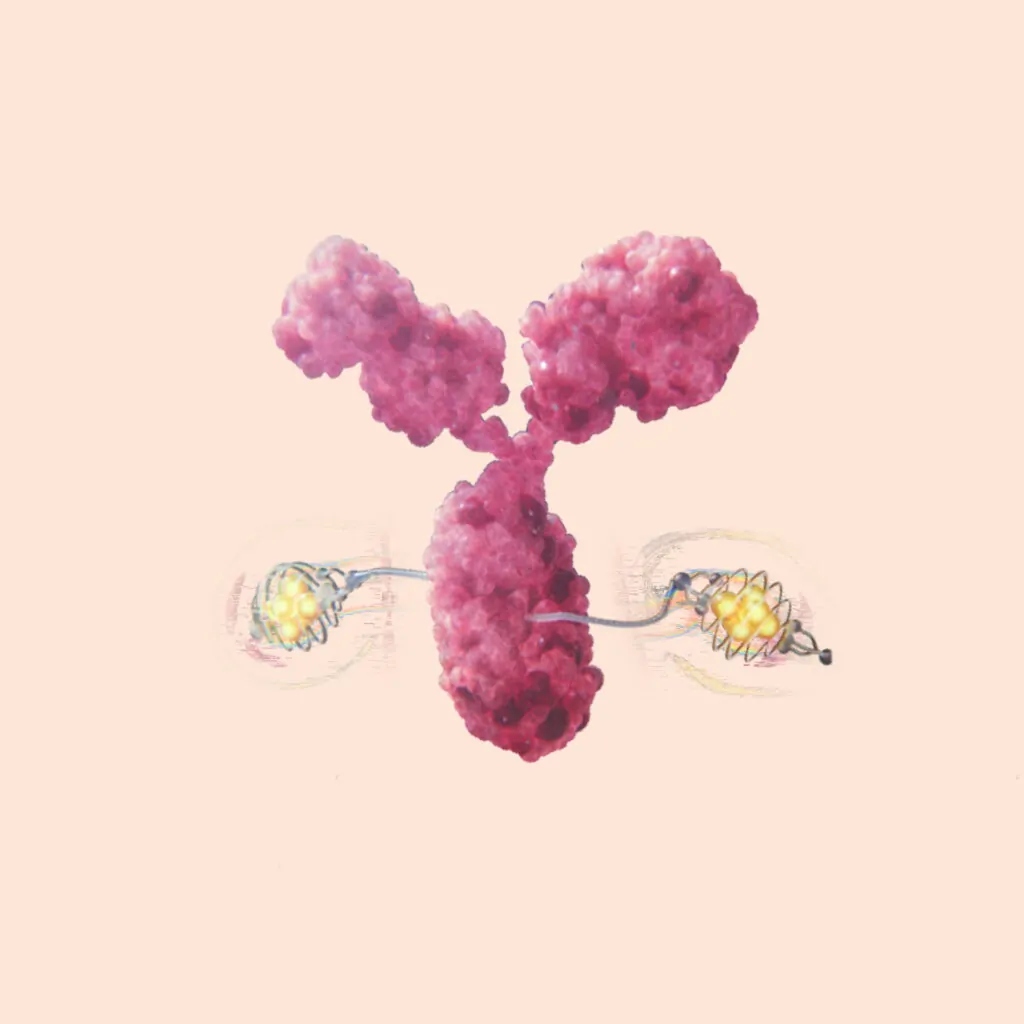
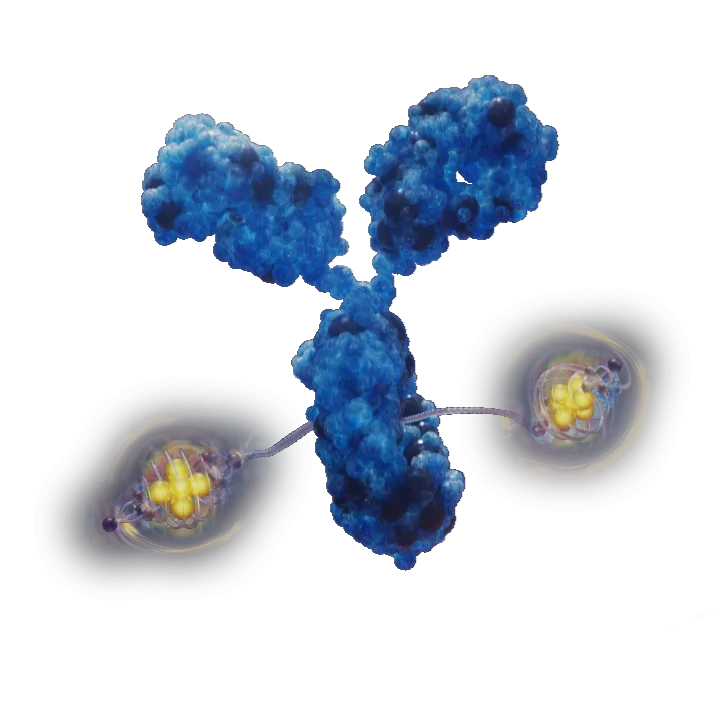
TLX591-Tx (177Lu rosopatamab tetraxetan) (pictured) is our lead radio antibody-drug conjugate (rADC) directed at PSMA. The candidate is currently being investigated in advanced prostate cancer in the Phase 3 ProstACT Global

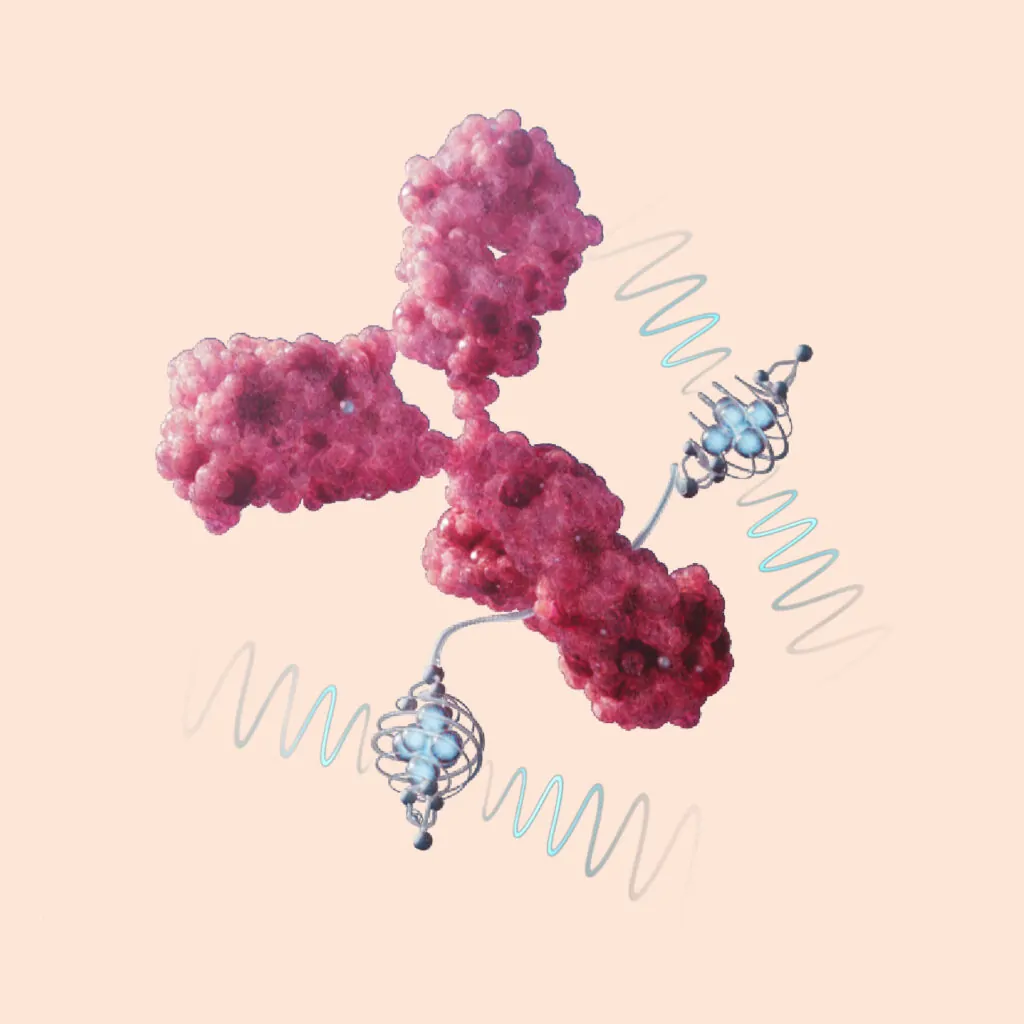
TLX592-Tx (64Cu/225Ac-RADmAb®) (alpha therapy) is our next-generation targeted alpha therapeutic (TAT) candidate, based on the company’s proprietary RADmAb® engineered antibody platform. The Phase 1 CUPID study evaluated copper-64-labelled TLX592-Tx in patients with advanced prostate cancer, and AlphaPRO, a Phase 1, first-in-human study, is expected to commence in 2026.

TLX597-Tx (¹⁷⁷Lu-DOTA-HYNIC-panPSMA) is our next-generation small molecule radioligand therapy directed at PSMA. The candidate is being developed to target earlier-stage prostate cancer and is currently being investigated in the OPTIMAL series of trials. 
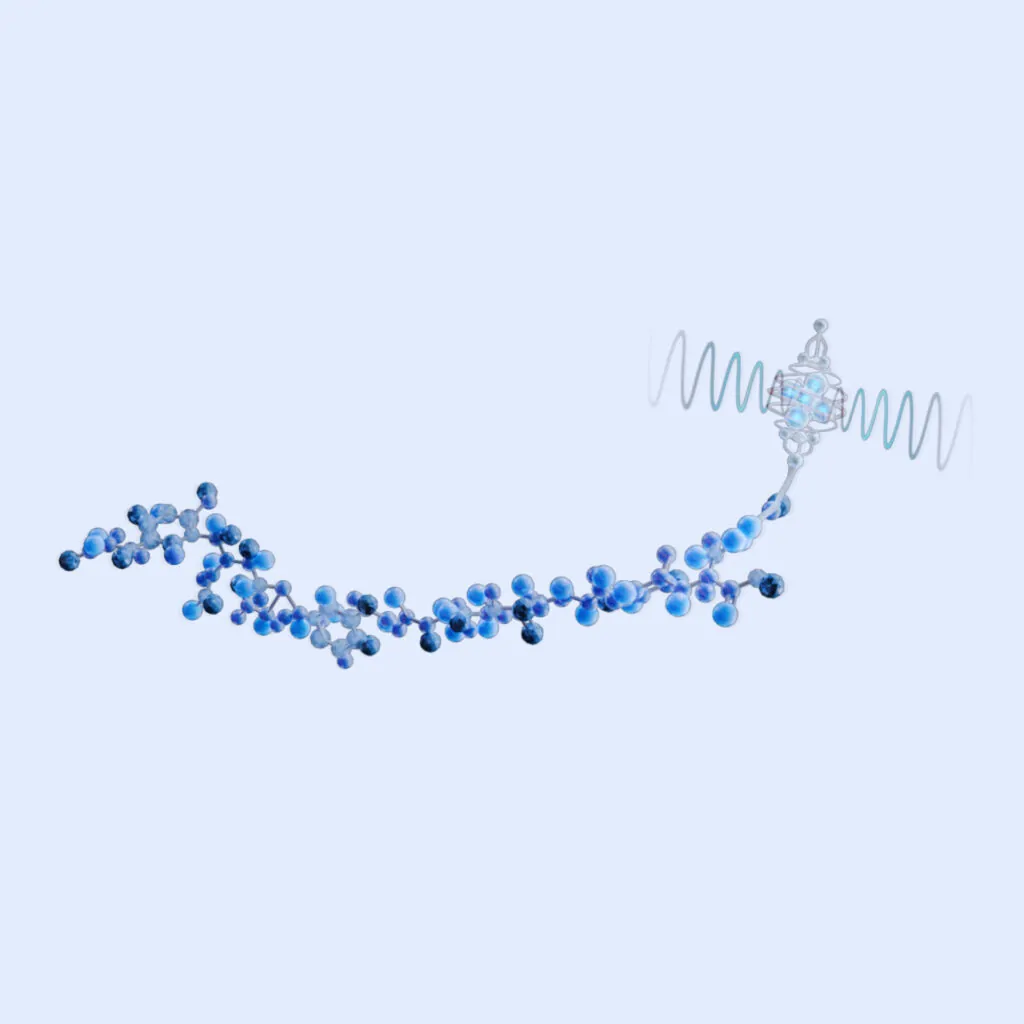
Our approved PSMA-PET imaging agents, Illuccix® and Gozellix®, allow clinicians to accurately visualize prostate cancer, helping guide treatment decisions.

Registrations vary country to country, always check the approved local product label. Learn more about our approved products, including Full Prescribing Information here


Kidney cancer

Our kidney cancer portfolio targets Carbonic Anhydrase IX (CAIX) — a protein highly expressed on the surface of most clear cell renal cell carcinomas (ccRCC) and largely absent from normal kidney tissue.

By targeting this biomarker, our CAIX-directed radiopharmaceutical candidates are designed to enable accurate, non-invasive detection of malignant renal tumors and deliver precision therapy to patients who need it most.

Using this CAIX-targeting platform, we are developing therapeutic candidates designed to deliver radiation precisely to renal tumors:


TLX250-Tx (177Lu-DOTA-girentuximab) is our rADC therapeutic candidate for advanced metastatic kidney cancer. It is being evaluated in multiple trials, including as a combination therapy in STARLITE-1 (with checkpoint inhibitors) and as a monotherapy in the global Phase 2/3 LUTEON trial.

TLX252-Tx (225Ac-DOTA-girentuximab) is our rADC alpha therapeutic candidate being developed as a potential complement to the TLX250-Tx (beta) program. TLX252-Tx has demonstrated preclinical proof-of-concept in several published studies with first-in-human evaluation planned in the Phase 1 ALPHIX trial in 2026.


Building on CAIX as a molecular target, we are advancing innovative imaging technology to improve the accuracy of kidney cancer detection and reduce unnecessary biopsies.


TLX250-Px (89Zr-girentuximab, Zircaix®*) is our PET imaging candidate that binds to CAIX to distinguish malignant from benign kidney lesions.

*Proposed brand name, subject for regulatory approval.


Bone pain

Bone pain is frequently experienced by cancer patients with metastatic disease, especially those with prostate cancer. In these cases, disease management often focuses on quality-of-life palliative care.

TLX090-Tx (153Sm-DOTMP) is our bone-targeting radiopharmaceutical candidate using a next-generation chelator to deliver Samarium-153. The agent is being investigated in the SOLACE trial to assess its efficacy as non-opioid pain treatment solution for patients living with bone pain in the late stages of advanced cancer.

Urologic Oncology Pipeline

Swipe to see more
Targeting agent
Isotope
Therapeutic / Diagnostic
Pre-clinical
Phase 1
Phase 2
Phase 3
Commercial

Prostate PSMA

Antibody
177Lu
Therapeutic
TLX591-Tx (177Lu rosopatamab tetraxetan)

Prostate PSMA

Antibody
225Ac (alpha)
Therapeutic
TLX592-Tx (225Ac-RADmAb®)

Prostate PSMA

Small molecule
153Sm
Therapeutic
TLX090-Tx (153Sm-DOTMP)

Prostate PSMA

Small molecule
68Ga
Diagnostic
Illuccix® (68Ga-PSMA-11)

Prostate PSMA

Small molecule
68Ga
Diagnostic
Gozellix® (68Ga-PSMA-11)

Kidney+ CAIX

Antibody
177Lu
Therapeutic
TLX250-Tx (177Lu-girentuximab)

Kidney+ CAIX

Antibody
225Ac (alpha)
Therapeutic
TLX252-Tx (225Ac-girentuximab)

Kidney+ CAIX

Antibody
89Zr
Diagnostic
TLX250-Px, Zircaix® (89Zr-girentuximab)
  1. Prostate cancer new cases (global, 2022): 1,467,854 — World Cancer Research Fund (compiled from GLOBOCAN 2022).
  2. Kidney cancer new cases (global, 2022): 434,840 — GLOBOCAN 2022 Kidney fact sheet (IARC/WHO Global Cancer Observatory).
  3. Bone metastases / skeletal metastases (U.S., annual): “Approximately 400,000 patients in the United States develop skeletal metastases annually.” — Yu et al., Cancer Control (2012).
  4. Benign pathology after partial nephrectomy: overall prevalence 30.9% — Kim et al., JAMA Surgery (2018/2019).