


TLX300-Tx (Tx-olaratumab) is our therapeutic candidate being developed for the treatment of patients with advanced or metastatic STS and other PDGFRα positive tumors. TLX300 leverages olaratumab, a naked monoclonal antibody licensed from Eli Lilly and Company, to target PDGFRα and deliver therapeutic radiation directly to tumor sites.
Other Tumors
Soft tissue, bone and blood cancers encompass a diverse group of rare and often aggressive diseases that can be difficult to diagnose and treat.
We are exploring the use of targeted radiation in a range of musculoskeletal and blood cancers, including soft tissue sarcoma (STS), bone cancer, leukemia, multiple myeloma, and amyloidosis.
By the numbers
Bone Infection
33
33
Countries where TLX66-CDx is currently approved and marketed as Scintimun®
Blood Cancer
90,000
90,000
Number of first haematopoietic stem cell transplantations performed in 2019 worldwide1.
Sarcoma
13,400
13,400
Estimated new STS cases in the U.S. in 20232.
Pan-cancer
90%
90%
Percent of epithelial cancers where fibroblast activation protein (FAP) is present3.
Soft tissue sarcoma
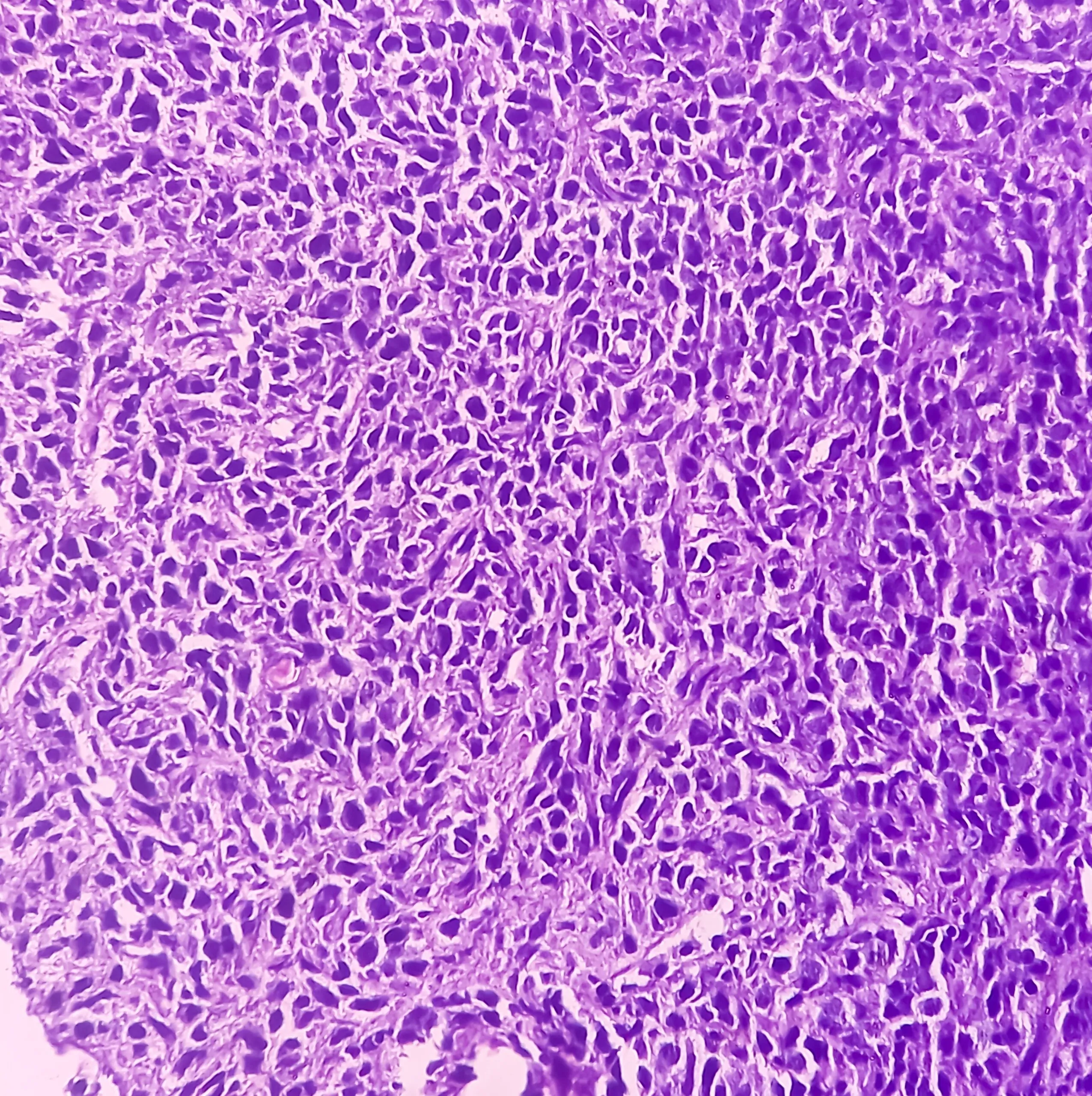
Soft tissue sarcoma (STS) is a complex and heterogeneous group of rare cancers. For patients with advanced or metastatic disease, prognosis remains poor, with median overall survival typically ranging from 12 to 18 months despite treatment. Our therapeutic candidate targets platelet-derived growth factor receptor alpha (PDGFRα) — a receptor expressed on multiple tumor types including STS.
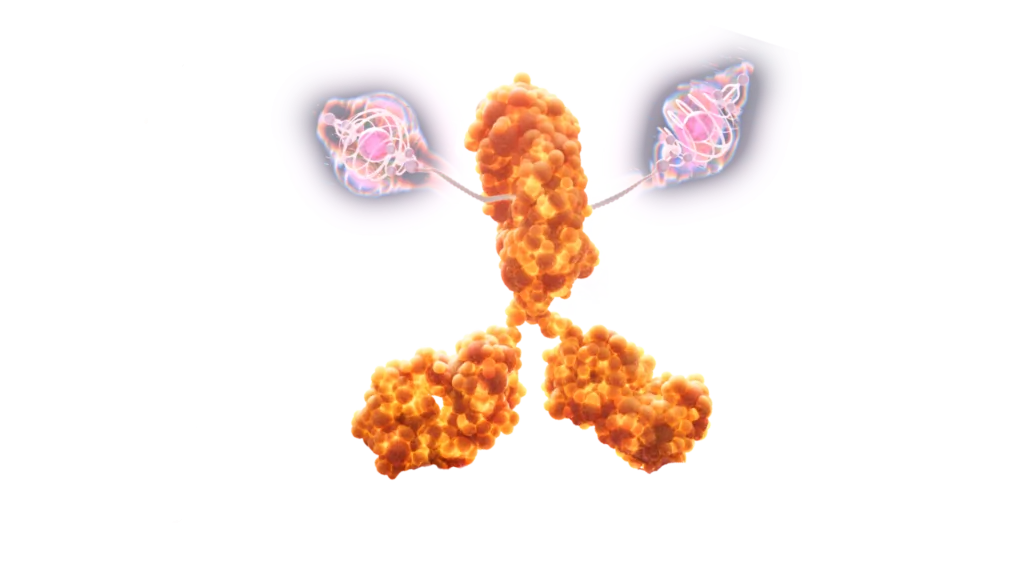
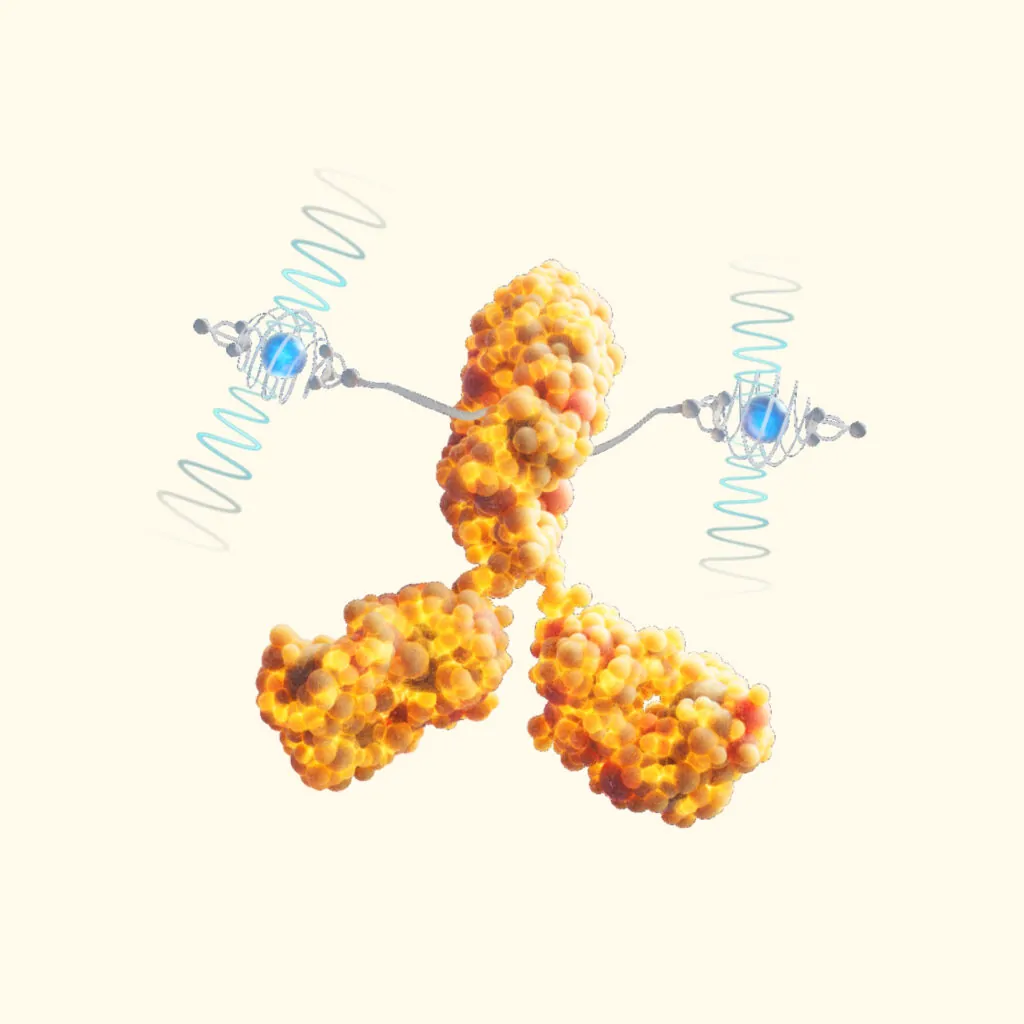
TLX300-Px (89Zr-olaratumab) is an imaging application of olaratumab, is currently being investigated in ZOLAR, a Phase 1, first-in-human imaging study aiming to demonstrate proof of concept for therapy.
Bone infection
Osteomyelitis is a serious infection of the bone that can progress quickly and cause lasting damage if not identified early. Diagnosis is often challenging, as symptoms can mimic other inflammatory or degenerative conditions. Telix’s commercial imaging agent, TLX66-Px (⁹⁹ᵐTc-besilesomab), targets CD66 on activated granulocytes to help more precisely localise sites of bone infection and support confident diagnosis.
TLX66-Px (99mTc-besilesomab) is Telix’s commercial imaging agent against CD66, sold as an approved product (marketed as Scintimun®) for imaging osteomyelitis (bone infection) in approximately 30 countries.
Bone marrow conditioning
Before stem cell transplantation, patients with blood cancers must undergo bone marrow conditioning — typically involving intensive chemotherapy to eliminate existing marrow and prepare for new cells. This process can be highly toxic and difficult for many patients to tolerate.
Our bone marrow conditioning (BMC) program targets cluster of differentiation 66 (CD66), a family of receptors expressed on specific blood and immune cells. These receptors represent promising biomarkers for novel radiopharmaceutical conditioning approaches across a range of hematological malignancies, including Acute Myeloid Leukemia, Multiple Myeloma, amyloidosis, and pediatric leukemia.
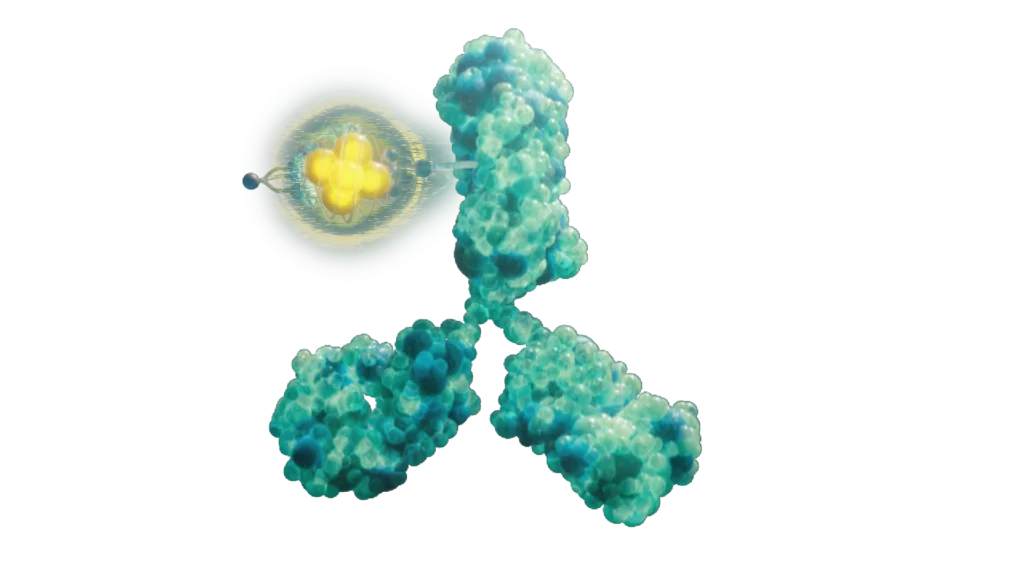
TLX66-Tx (90Y-besilesomab) is a therapeutic candidate with orphan drug designation in the U.S. and Europe for BMC ahead of HSCT, which can apply to multiple diseases. TLX66-Tx has been studied in approximately 100 patients, showing encouraging results as a monotherapy and in combination with low-dose chemotherapy.
Pan-cancer
Many solid tumors are resistant to conventional therapies and lack effective treatment options. Our pan-cancer asset targets fibroblast activation protein (FAP), which is highly expressed in the tumor stroma of many solid cancers and largely absent in healthy tissue. By targeting FAP, we aim to deliver radiation directly into the tumor microenvironment, offering a novel approach for hard-to-treat cancers.
We are also investigating pan-cancer applications for our CAIX-targeted therapeutics, leveraging the protein’s broad expression in hypoxic and aggressive tumors to expand potential treatment options for patients with limited alternatives.
TLX400-Tx (¹⁷⁷Lu-DOTAGA.Glu.(FAPi)₂) is a targeted radioligand therapeutic candidate acquired as part of our suite of clinically validated FAP-targeting theranostics. Based on human studies to date, TLX400-Tx has demonstrated potential across multiple tumor types, including thyroid cancer and sarcoma.
Other tumors
Swipe to see more
Targeting agent
Isotope
Therapeutic / Diagnostic
Pre-clinical
Phase 1
Phase 2
Phase 3
Commercial
Musculo-skeletal
Small molecule
153Sm
Therapeutic
TLX090-Tx (153Sm-DOTMP), bone-seeking candidate for bone metastases and pain palliation
Musculo-skeletal
Antibody
Undisclosed
Therapeutic
TLX300-Tx (Olaratumab)
Musculo-skeletal
Small molecule
18F
Diagnostic
TLX66-Px Scintimun® (99mTc-besilesomab)
Hematology CD66
Antibody
90Y
Therapeutic
TLX66-Tx (90Y-besilesomab), CD66 targeting candidate for bone-marrow conditioning
FOOTNOTES
- https://haematologica.org/article/view/haematol.2024.285002
- Soft tissue sarcoma (U.S., 2023): ~13,400 new cases — AAOS press release citing American Cancer Society estimates (2023).
- FAP present in >90% of human epithelial neoplasms — Zi et al., Molecular Medicine Reports (2015 review).