
You’re Not Alone
During Kidney Cancer Awareness Month, Telix is sharing the stories of patients and advocates living with kidney cancer to highlight the ongoing need for better diagnostics and treatments in the disease.
Liz Leff was diagnosed with clear cell renal cell carcinoma (ccRCC) in 2014. The experience shaped everything that followed, including a career in patient advocacy that eventually brought her to Telix.
Liz Leff was living in New York, working, raising her six-year-old daughter when a routine check-up found microscopic traces of blood in her urine. Her doctor told her it was almost certainly nothing. Eight out of ten people have the same finding and it is usually benign.
“But my primary care physician said, ‘I want you to go get it checked out,’” Liz says. “And I almost didn’t. But I thought about my daughter, and I thought – go get it checked out.”
When she did, doctors found a tumor on her right kidney.
At the time, doctors could see the mass but could not confirm what it was. Current imaging techniques, including CT and MRI, cannot always reliably distinguish malignant renal masses from benign conditions.1 They suspected kidney cancer, but a definitive answer would have to wait until after surgery.
Guided by a close friend who was an oncology nurse, Liz sought a second and third opinion. She chose a surgeon at Mount Sinai in New York she felt comfortable with, and a few weeks later underwent a laparoscopic partial nephrectomy. The pathology confirmed it: clear cell renal cell carcinoma.
An island of my own
“I was a single mom,” Liz says. “I heard the word cancer and thought, oh my God, what’s going to happen to my daughter? Who’s going to be there for her?”
The fear was compounded by isolation. Liz’s family minimised the diagnosis. Because her treatment was surgery rather than chemotherapy or radiation, they didn’t see it as serious. On the day of her six-hour operation, she dropped her daughter off at a friend’s house and drove herself to the hospital.
Kidney cancer often carries this kind of invisibility. It is frequently asymptomatic until locally advanced, and most tumours are discovered incidentally.2 When the treatment path is surgery alone the gravity of the diagnosis can be often misunderstood.
“There was no family around and I didn’t have much of a support system,” she says. “I basically did the surgery on my own.
Recovery was hard. When her daughter asked Liz to walk her to school, she didn’t know how to explain that she couldn’t. So they walked at a snail’s pace. Being by her daughter’s side was the motivation she needed to get stronger.

Every three months
After surgery, Liz entered the surveillance cycle familiar to many kidney cancer patients: regular scans, each one carrying stress and anxiety.
“Every three months they kept seeing something,” she says. “And I had to get more scans. The emotional distress, the fear, the worry, it was constant.”
For patients under active surveillance following nephrectomy, this experience is common. MRI scans can remain unclear for months after procedures like tumor ablation, and around 20% of biopsies fail to provide a definitive result.3,4 The tools available to monitor for recurrence often generate as much uncertainty as they resolve.
The support I didn’t have
The path from patient to advocate was not something Liz planned. One day, she saw a job posting for the National Kidney Foundation. The qualifications matched her professional background exactly. She applied, was hired, and built out the organisation’s kidney cancer programme.
Through that role, Liz began partnering with pharmaceutical companies working in kidney cancer. It was how she first learned about Telix’s work advancing a PET imaging candidate to improve the non-invasive characterisation of ccRCC, the most common subtype of kidney cancer and the same cancer Liz had.
“I thought, wow, if I had had this technology, it would have made such a difference in my life,” Liz says. “It would have been such a relief. It would have given me more certainty.”
When a patient advocacy role opened at Telix, Liz took it. She now connects with people navigating the same uncertainty and isolation she once faced, and brings an invaluable patient perspective to our work in kidney cancer.
“Because I had kidney cancer, because I’m a patient myself, it allows me to really relate to patients and understand what they’re going through,” she says. “I want to be able to provide patients the support I didn’t have.”
Liz is now many years cancer-free, and her daughter recently graduated high school.
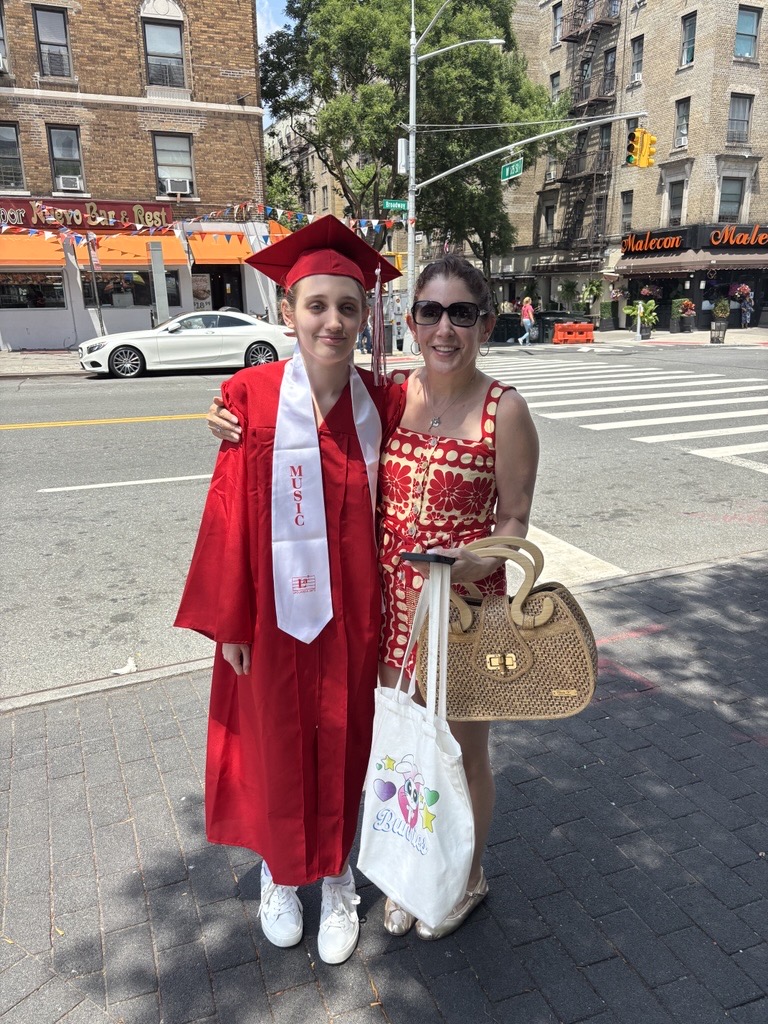
When asked what she would say to someone who has just received a kidney cancer diagnosis, her answer is simple.
“Being diagnosed with cancer — the initial reaction is, this is the end of the road. And it’s just not true. There are so many new therapies, so many new advancements, so many resources. There’s a lot of hope and you’re not alone.”
References
1. Prognostic Factors for Localized Clear Cell Renal Cell Carcinoma and Their Application in Adjuvant Therapy. Cancers (Basel). 2022. PMC 8750145.
2. American Cancer Society. Key Statistics About Kidney Cancer. cancer.org. Updated January 2025.
3. MRI follow-up after ablation of renal masses. Radiology. 2022.
4. Renal mass biopsy non-diagnostic rates. Eur Urol Oncol. 2021.
This article is for educational and disease-awareness purposes and does not constitute medical advice or product promotion.